Praxis Model
Make Every
Mistake
on Paper
The quiet truth about opening a restaurant in the Gulf, and the one conversation that changes everything.
Scroll to begin
The quiet truth about opening a restaurant in the Gulf, and the one conversation that changes everything.
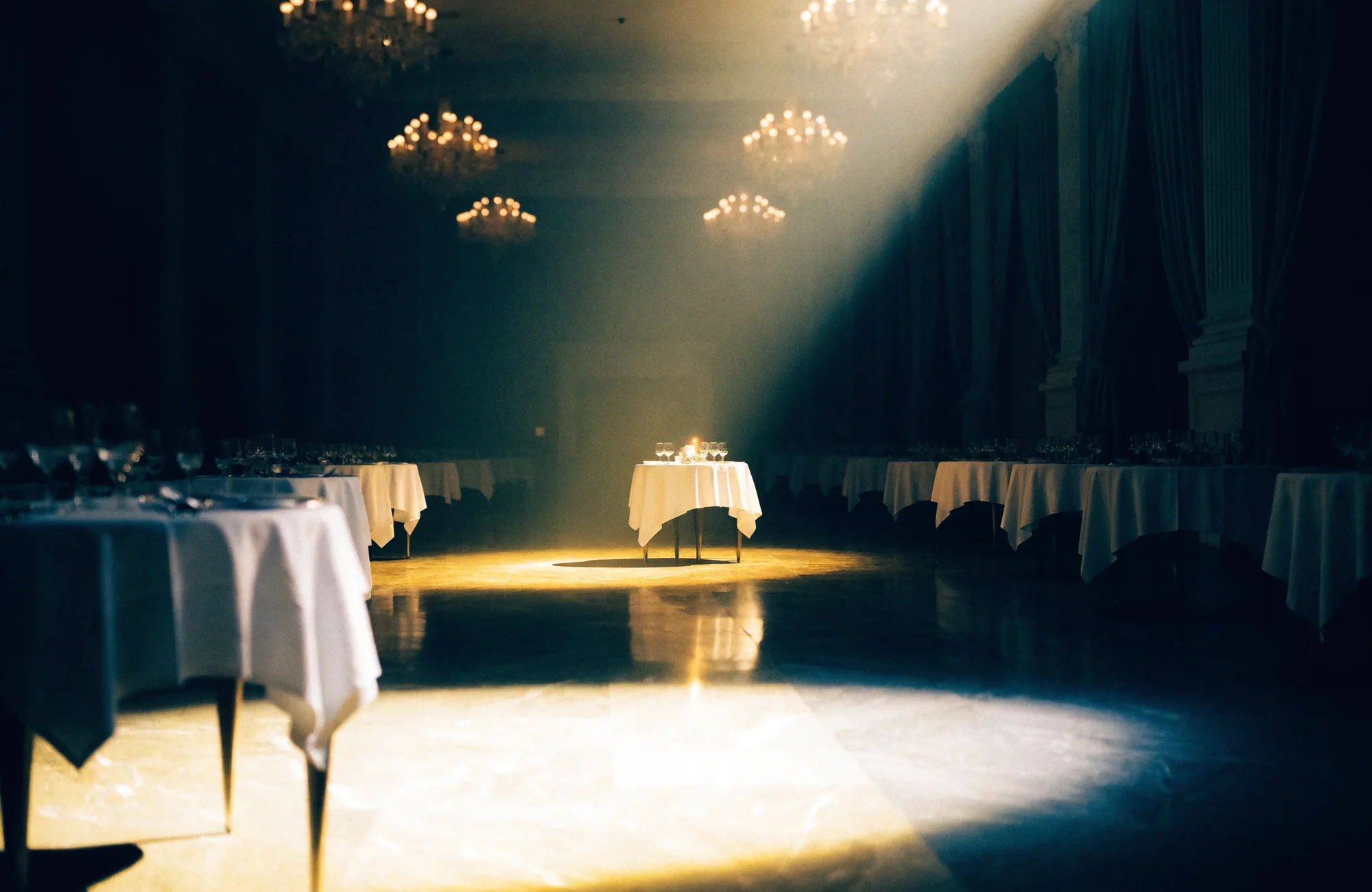
The most expensive room Amal ever built was also the most beautiful, and tonight it was completely empty.
It was a few minutes past eleven. The last of her staff had gone home an hour ago, and she had told them she wanted to lock up herself. She did not tell them why. She sat alone at a table set for two, the only light in the whole dining room falling on the white cloth in front of her, and for the first time since the day she signed the lease, she let herself look at the numbers.
They were not complicated. That was the cruel part. A child could have done this arithmetic. The rent. The covers she needed every single night just to survive it. The covers she was actually getting. She had spent fourteen months choosing the marble and arguing with a lighting designer she had flown in from Milan, and in all that time she had never once sat down and done the one small sum that now sat in front of her like a verdict.
She was not a foolish woman. Remember that, because everything in this book depends on it. Amal was the cleverest person in every room she had ever walked into. She had already built one fortune with her instincts, a brand that women across the Gulf trusted with their money and their faith, and her instincts had never once lied to her. So when everyone told her the location was perfect, she believed them, because she could see it too. She could see the room full. She could hear it, the low warm noise of a place that works. She had been so certain. And certainty, it turned out, had cost her everything.
If only someone had made her do this sum a year earlier, on a piece of paper, back when paper was the only thing she stood to lose.
This is a book about that sum. It is also, I am sorry to say, a book about you. Not because you are foolish. Because you are exactly like Amal, clever and certain, and because the most dangerous moment in any great venture is the quiet moment just before you are sure.
I have watched this story end the same way more than three hundred times, across six countries, over thirty three years. I have learned that I cannot talk anyone out of the dream, and I would never want to. The dream is the best thing about you. But I have also learned that there is a place, early, very early, where the whole thing is decided, long before the marble and the lighting and the opening night. Almost no one knows that place exists. By the end of this book, you will.
Come and sit. The room is quiet. Let me tell you how Amal got here, because the truth is, she did almost everything right.
It started, as these things do, in a kitchen that smelled of her grandmother.
Amal was nine years old the first time she understood that food could stop time. Her grandmother made a dish, a slow and patient thing that took most of a day, and when it finally reached the table the whole house went quiet in a way nothing else could make it. The arguing stopped. The phones went down. For twenty minutes, a difficult family loved each other. Amal never forgot it. She decided, somewhere under that table, that one day she would build a room where that happened to strangers.
She did not go straight there. Clever people rarely do. She built something else first, a brand, the kind that starts on a phone and ends up in every home, and she was very good at it. She understood people. She understood what they wanted before they did. She made real money, and more than that, she earned the one thing money cannot buy on its own, which is the quiet confidence of someone who has backed her own judgement again and again and been right.
And all the while, the room waited.
You know this part, because you have lived your own version of it. The dinners you host that people talk about for a month. The friend who takes one bite and says, with their mouth still full, you have to open a place, I am serious, you have to. The slow private certainty that you could do it better than the tired, overpriced, soulless places you keep ending up in. It is not arrogance. It is closer to a calling. You can see the room. You can taste the menu. You can already hear the noise.
When Amal finally said it out loud, that she was going to open a restaurant, not one person who loved her told her to be careful. Why would they. They had eaten at her table. They had seen the brand she built from nothing. If anyone on earth could do this, it was her, and they told her so, warmly, at another one of her dinners, raising their glasses to the room that did not exist yet.
I want you to hear me very clearly on this, because the rest of the book is going to get harder, and I do not want you to take the wrong lesson from it. The dream is not the mistake.
The dream is the most valuable thing you own. The instinct that there is a room worth building, the taste, the eye, the love of the thing, none of that is foolish and none of it is wasted. Amal's dream was good. Your dream is good. People who tell you to be realistic usually just mean be smaller, and the world has enough small. Keep the dream exactly the size it is.
But here is the quiet, uncomfortable truth that this whole book is built around, and I am going to say it once now and earn it slowly later. The dream is always right about the destination. It is almost never right about the road.
Amal was right that there was a beautiful, profitable, full restaurant waiting to exist. She was right about the food, right that people would come, right that she could build something the city had never seen. She was right about all of it, except the one thing that actually decides whether a restaurant lives or dies, and that one thing is not taste, or passion, or even talent.
It is the numbers underneath the dream. The boring ones. The ones no one at the dinner table ever asks about, because they are not romantic, and because everyone simply assumes that someone, somewhere, has already worked them out. For Amal, no one had. She was about to spend fourteen months, and a fortune, finding that out the most expensive way there is.
The dream is always right about the destination. It is almost never right about the road.Make Every Mistake on Paper

The space was on the ground floor of a new tower, the kind with a fountain in the lobby and a valet who already knew her name.
The agent unlocked it on a Thursday afternoon, when the light was long and forgiving, and Amal walked in and stopped breathing for a second, the way you do when you meet something you are going to love. She did not see an empty concrete shell with exposed pipes and a damp corner. She saw the room it would become. She saw where the bar would go, where her grandmother's dish would arrive on its slow patient journey, where the regulars would sit. She saw it full. She could hear it. By the time she walked back out into the afternoon, the decision was already made, and everything after that was just paperwork.
Here is the thing about the location. It did not lie to her. The room was real, the tower was real, the valet was real. The lie was somewhere else, and it is the most human lie there is. She fell in love, and then she let the love do her thinking.
She asked about the rent, of course. She was not careless. But she asked the way you ask the price of something you have already decided to buy, which is to say she heard the number and reached straight past it to the dream on the other side. She did not ask the only question that mattered, which was not how much is the rent. It was this. How many people, at what spend, on how many nights, will I need through that beautiful glass door, every single month, just to stand still. And then, how many of those people actually walk past this spot, and why would they choose me.
Nobody made her ask it. The agent was paid when she signed. The contractor was paid to build. The friends were paid in good dinners. Everyone in that warm circle around her had a reason to say yes, and not one of them had a reason, or the knowledge, to make her stop.
So she signed. The day she signed the lease was the happiest day of the whole adventure, and it was also, although she would not understand this for fourteen more months, the day the trap quietly closed. Not opening night. Not the slow bad weeks later. Right there, on a Thursday, in beautiful light, with a pen.
She did not let the room lie to her. She let the love do her thinking.Make Every Mistake on Paper

Let me tell you about the sum, because it really is that simple, and that is what makes this whole story so painful.
Every restaurant, anywhere on earth, lives or dies on a handful of numbers that fit on the back of one page. What does it cost to open the doors each month before a single guest arrives. What does it cost to make and serve one plate. What do guests actually spend when they sit down. How many of them, across how many nights, do you need before you stop losing money and start keeping it. That is more or less the whole game. Not the only thing, but the thing under everything else.
Amal could have done a rough version of that sum in an afternoon. A serious version, the real one, with the true Gulf costs and the honest footfall and the seasons and the days the city empties, takes more than an afternoon and more than instinct, which is exactly the point of this book. But even the rough version, the back of the napkin version, she never did. Not once.
Why not. Not because she could not. Because nobody made her, and because the dream had already told her the answer. When you are certain a room will be full, the maths feels like an insult. It feels like doubt. It feels like the small, careful, joyless voice of people who never built anything. So she skipped it, the way almost everyone skips it, and she poured her attention into the things that felt like progress. The marble. The lighting designer from Milan. The exact weight of the cutlery. All of it beautiful. None of it the sum.
She was, without knowing it, decorating a number she had never calculated. And the number, sitting patiently in the dark where she refused to look, was not in her favour.

There is a mistake that even careful people make, and Amal made it without ever saying it out loud. She treated the Gulf as one place.
It is not one place. It looks like one from far away, the same warm sky, the same towers, the same ambition, but a restaurant does not live in the sky. It lives on one specific street, in one specific city, in one specific country, and the truth on that street is different from the truth two hours away by plane.
What fills a room in Dubai can stand empty in Riyadh. What Doha rewards, Manama may quietly punish. The price a guest happily pays in one capital makes them frown in the next. The hours people eat, the nights they go out, the seasons the whole city leaves, the rules about what you can serve and how, the cost of bringing in the one ingredient your dish cannot live without, all of it changes the moment you cross a border, and none of it changes in ways your instinct can guess from a dinner party.
Amal knew her own city in her bones. She did not know, because no one had ever made her find out, that her beautiful concept was being built for an idea of the Gulf that did not exist, instead of for the real and specific market on the other side of that glass door. She was right that the region was hungry. She was wrong, expensively wrong, about the shape of the plate it wanted.
The Gulf is not one market. It is five, and they do not agree.Make Every Mistake on Paper
Opening night was perfect. They always are.
The room was full of people who loved her, the food was flawless, the photographs were beautiful, and Amal stood in the middle of it with her heart so full she could have cried. For one night, the dream and the reality were the same thing. She went home certain she had been right all along.
The trouble with a restaurant is that it does not fail the way you fear it will. It does not blow up. It bleeds. Quietly, politely, a little every day.
Week one was busy, because everyone comes once. Week three was thinner. By the second month the room had a sound she did not recognise, the sound of a beautiful place that is two thirds empty on a Tuesday, and she began to do the thing every owner does, which is to explain it away. It is the season. It is the marketing. We need a new dish, a better photographer, an influencer, a promotion. Each fix cost money and bought a week, and then the quiet came back.
What she did not let herself see, because she had never done the sum, was that the room was never going to be full enough to survive that rent, at that spend, on that street. It was not a marketing problem. It was a maths problem, decided long ago, on a Thursday, with a pen. And every single day the doors opened, the gap between what she needed and what she got left her account, gently, like sand through a hand.
That is the bleed. By the time most owners truly understand it, they have already spent the money that would have let them stop.
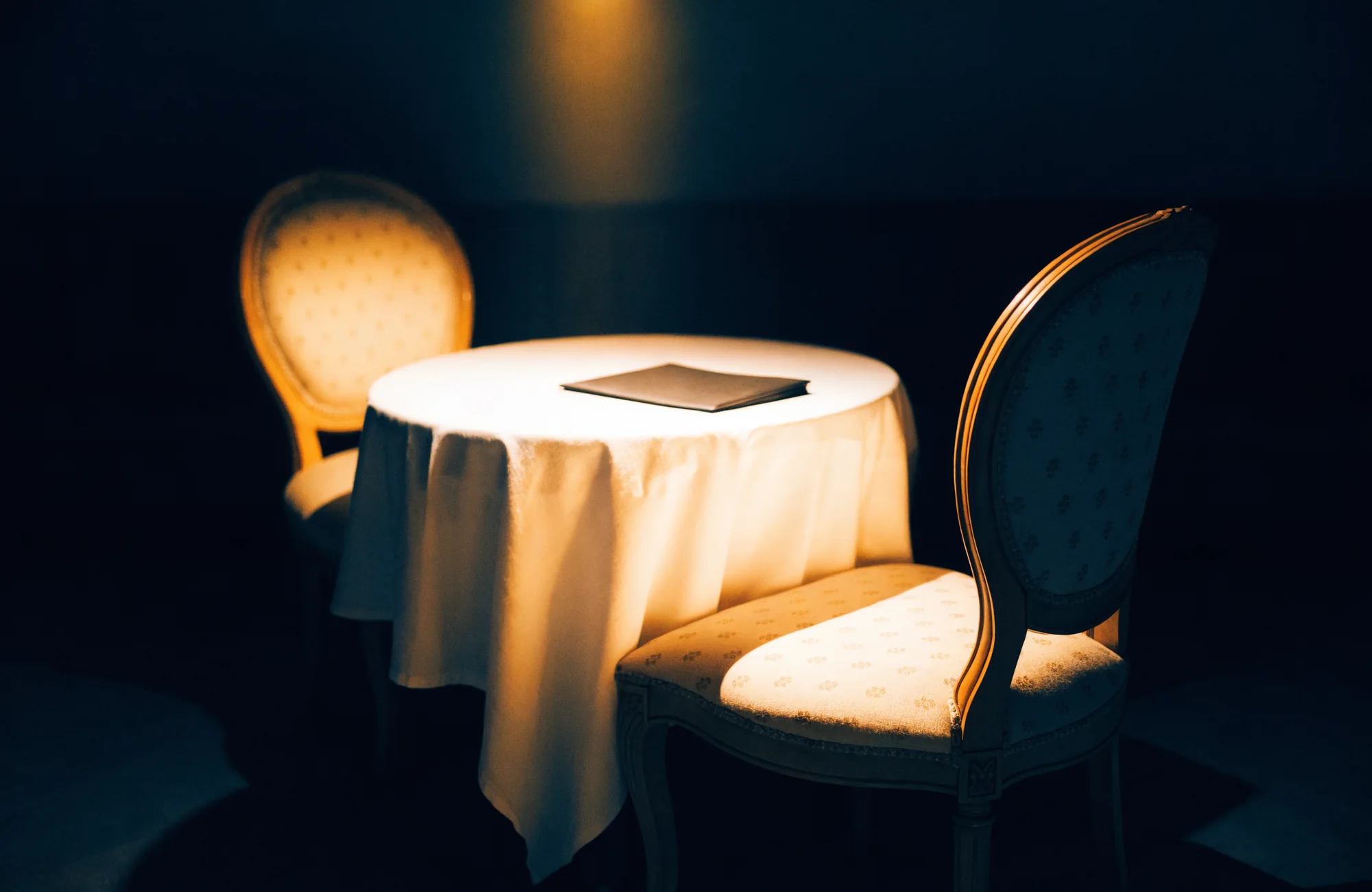
Here is what haunts me about Amal's story, and about three hundred others like it. There was a single conversation that would have changed everything, and she never had it.
Not because she was too proud. Because it did not exist in her world. Think about who stood around her. The agent, paid on the signature. The contractor, paid on the build. The suppliers, paid on the order. The friends, paid in love and good food. The bank, paid on the loan. Every voice she heard had a quiet reason to want her to go forward, and not one of them had the knowledge, or the independence, or the job, to sit her down and say the hard, kind, unglamorous thing.
Amal, before you spend another penny, let us find out, honestly and on paper, whether this beautiful idea actually makes money in this exact place. Not whether it could. Whether it does, in the numbers, before the numbers are real.
That is the whole conversation. It is not romantic. It does not raise a glass. It is the most valuable conversation a person with a dream can have, and almost no one has it, because the only people positioned to start it are usually the same people being paid for the yes.
She did not need more passion. She had more passion than anyone. She needed one honest voice, early, with no stake in the answer except being right.
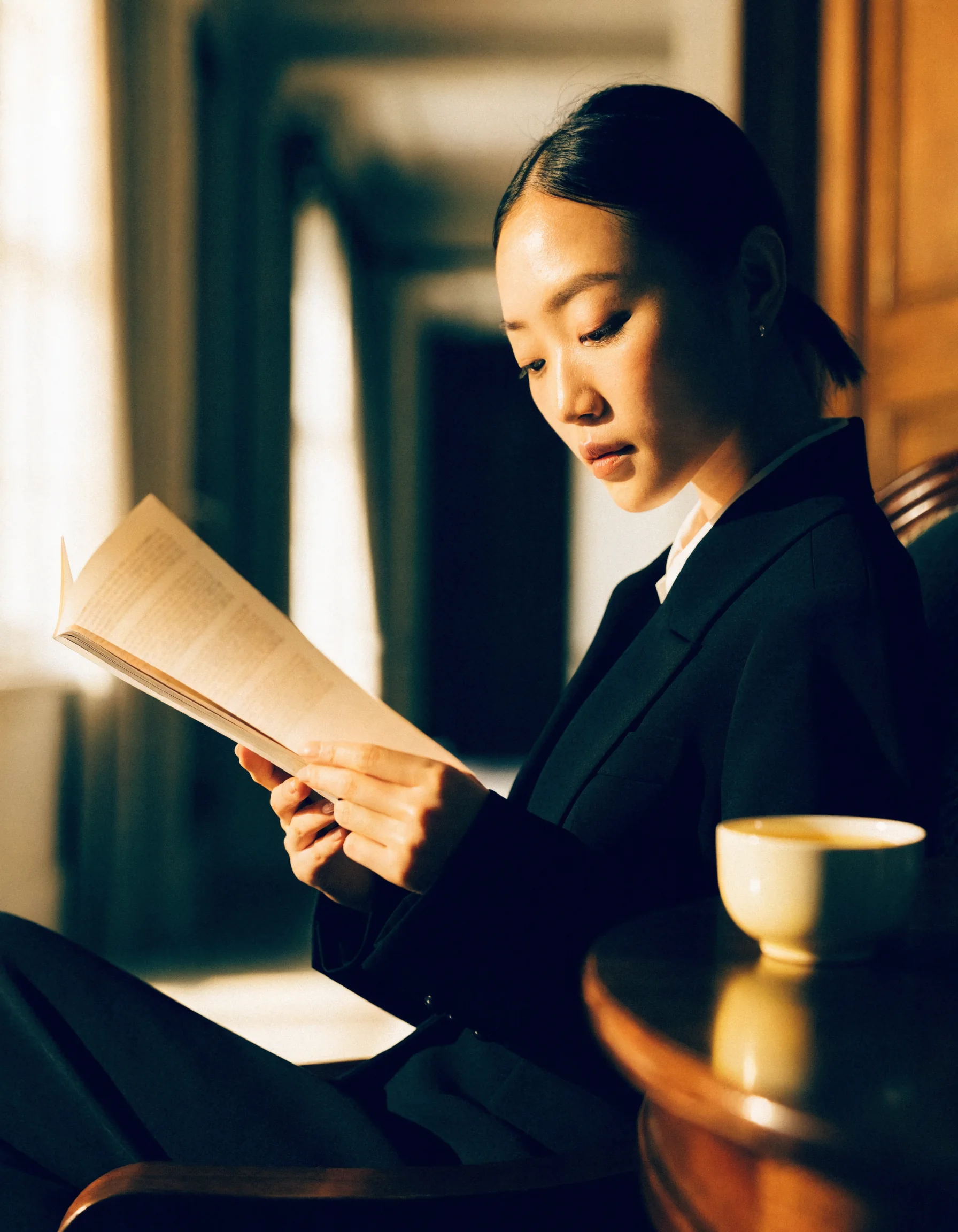
I want to introduce you to someone else, because this book would be cruel if it only showed you the fall.
Her name was Noura, and on paper she and Amal were almost the same person. The same kind of success behind her, the same calling, the same beautiful idea, roughly the same money to spend. If you had met them both at a dinner, you would not have been able to tell which one would make it.
The difference was a single decision, and it cost a rounding error compared to everything else. Before Noura fell in love with a room, before she signed anything, she paid for the boring sum to be done properly. She had someone independent, with no stake in the yes, pressure test the whole thing on paper. The concept, the costs, the real footfall, the specific market, the honest number underneath the dream.
It was not a magic document. It did not promise her success. What it did was quieter and far more valuable. In one case it told her, gently, that the version she was in love with would lose money on that street, and here is exactly why, and here is what would have to change for it to work. So she changed it, on paper, where changing it cost nothing. In another, it told her go, this works, and here are the numbers that prove it, and she walked into her lease not hoping but knowing.
Noura is not smarter than Amal. She is not luckier. She simply had the one conversation first, and she made every expensive mistake in a place where mistakes are free.
Noura was not luckier than Amal. She made her mistakes where mistakes are free.Make Every Mistake on Paper
So now you know why we say the thing we say, and I hope by now it does not sound like a slogan. I hope it sounds like a warning from someone who watched the alternative too many times.
A mistake on paper costs you an afternoon and a little of your pride. The same mistake in reality costs you the marble, the lease, the staff, the savings, the investors who believed in you, and something harder to name, the quiet belief in your own judgement that took you a lifetime to build. Amal lost all of it, not because her dream was wrong, but because she let reality be the first place she tested it.
Reality is the most expensive teacher there is. It charges full price for every lesson, and it does not give refunds. Paper teaches the same lessons, in the same detail, for almost nothing, and it lets you fail again and again until you find the version that works, all before a single wall is built.
That is not caution. That is not doubt. It is the opposite. It is how a serious person protects a beautiful dream, by making absolutely sure the road can carry it, while the only thing at risk is ink.
I am not going to tell you exactly how the sum is done. That is our craft, thirty three years of it, and it is the thing people pay us for. But I will tell you what it feels like to have it done, because that is the part that matters to you.
It feels like walking into your own future with the lights on.
There are really only two honest verdicts. The first is go. This works, here are the numbers that prove it, here is what to expect, walk in and build it with both hands. The second is go with conditions. The idea you are in love with does not work on that street as it stands, and here is precisely why, and here are the changes that would turn it into one that does. Two answers. Both of them priceless. One saves your dream. The other saves your fortune. There is no third answer that hurts you, because every version of the truth, found early, on paper, is cheaper than finding it late, in concrete.
Amal walked into her room hoping. Noura walked into hers knowing. From the outside, on opening night, the two looked identical. One year later, only one of them was still standing in a full room, sleeping at night, building the next one.
That is the whole difference. Not talent. Not passion. Not luck. Knowing, before it was expensive to find out.

So let me ask you the question no one in Amal's warm circle ever asked her.
Before the lease. Before the logo. Before the marble and the lighting and the first plate that leaves the pass. Before you spend one penny you cannot easily get back. Would you like to know, honestly and on paper, whether the beautiful thing in your head actually makes money in the exact place you want to build it.
That is all we do. We are the one honest voice in the room with no stake in the answer except being right. We take your dream, which is good, and we test it where testing is cheap, so that the version you build is the version that works. We have done it more than three hundred times, across six markets, over thirty three years, and we have learned that the people who do this first are almost never the ones sitting alone in an empty room at eleven at night, doing the sum too late.
You do not have to become Amal. You can be Noura instead, and the only difference between them was one conversation, had early, with the right people.
The table is set. The chair is pulled out. It has your name on it. Come and sit down, and let us make every mistake on paper, so you never make a single one with your money.
Make Every Mistake on Paper. Never With Your Money.
Begin the conversation Keep the book · Download the PDF